
Federal Way Unclaimed Money Records
Federal Way unclaimed money searches start with Washington's state portal, but the city finance record can still be the fastest way to understand where the money came from. Federal Way reports unclaimed property to the Department of Revenue, keeps CAFR materials online, and tracks restricted assets such as seizure funds, covert funds, and municipal trust accounts through its finance work. That means the search is not just about finding a name in a database. It is also about matching a city payment or fund classification to the official record that explains why the item was reported in the first place.
Federal Way Unclaimed Money Basics
The Washington Department of Revenue portal at ucp.dor.wa.gov is the primary place to look for Federal Way unclaimed money that has already been reported to the state. Washington's current law is found in RCW Chapter 63.30, which governs state custody of property that has gone unclaimed long enough for a holder to report it. For most people, that means the state database is the first stop, while the city finance office explains the local transaction that created the record.
The Finance Department is located at 33325 8th Avenue South, Federal Way, WA 98003, with phone numbers (253) 835-2520 and (253) 835-2527. The city publishes CAFR materials online, and its investment policy was approved on March 8, 2023. Those details matter because they show the city keeps a structured financial record set, which is useful when you are trying to determine whether a payment, refund, or restricted fund balance is the source of a state claim.
| State portal | ucp.dor.wa.gov |
|---|---|
| Finance Department | 33325 8th Avenue South, Federal Way, WA 98003 |
| Finance phones | (253) 835-2520, (253) 835-2527 |
| City site | cityoffederalway.com |
Federal Way Unclaimed Money Images
The official city website at cityoffederalway.com is the best starting point for Federal Way departments and public records references. It gives you the city-level navigation that sits behind finance, council, and records follow-up.
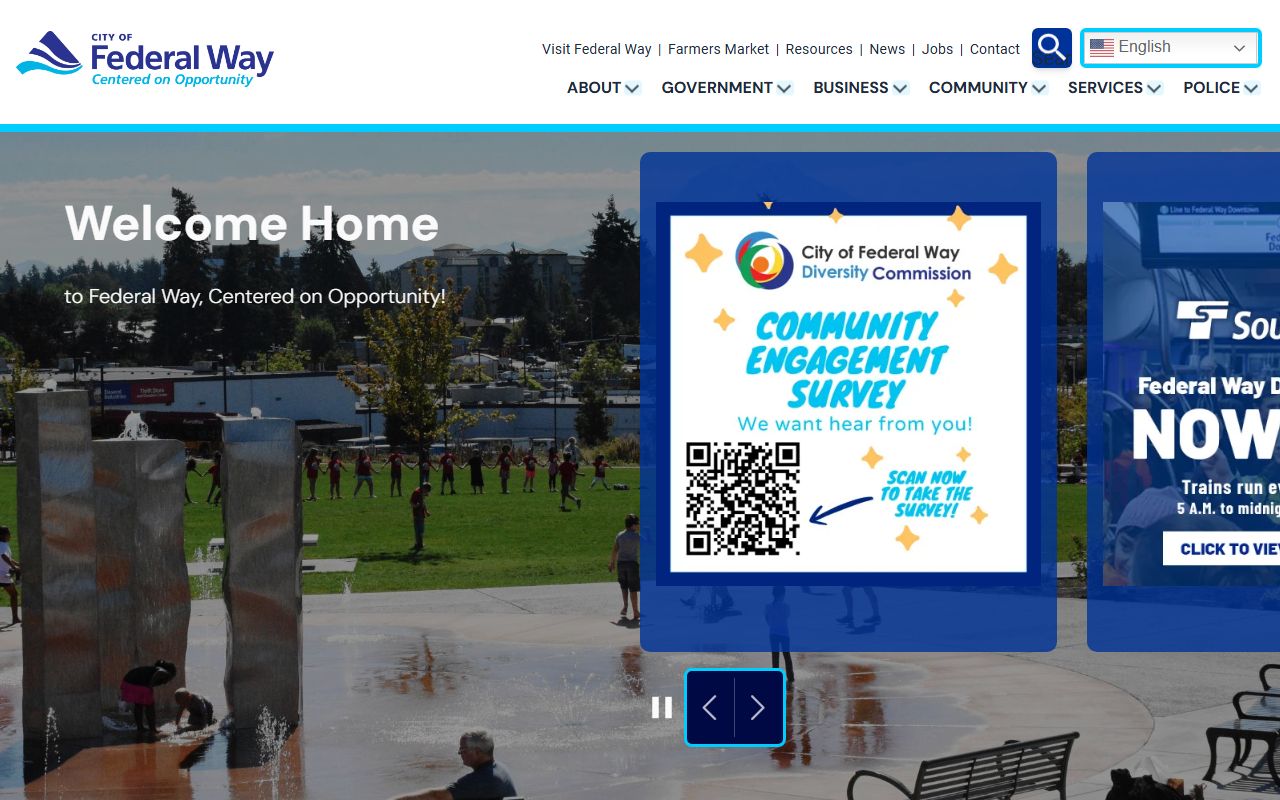
That homepage is the fastest way to confirm you are dealing with a city record before you move into the state claim search.
Federal Way City Records
Federal Way is a good example of why a city finance record can matter even when the state portal is the place where the claim will be filed. The city reports unclaimed property to Washington, but the underlying finance entry often explains what happened to the money before it was turned over. A CAFR, investment policy, or restricted-assets classification can tell you whether the item sat in a normal operating account, a special fund, or a controlled account such as seizure funds or municipal trust.
That matters when the record looks unusual. A name in the state database may not tell you whether it started as an expense reimbursement, a customer refund, or another city payment. Federal Way's finance records can fill that gap by showing the municipal context, which is often enough to tell you whether you should ask the city for more history before you file a claim or whether you can proceed directly through the Department of Revenue portal.
If you are tracing a payment that was originally issued by the city, Federal Way finance staff can help you understand whether the money is still local or has already been reported. That distinction keeps the search from becoming guesswork and helps you keep the supporting documentation in the right order.
Federal Way Unclaimed Money Search Steps
For most Federal Way unclaimed money searches, the best order is state first and city second. Start at the Washington claim search, use the Property ID if you received a postcard, or search by last name or business name and narrow by city and zip code. If the result set is broad, the first-name filter helps separate your record from another person with the same surname, especially when the address has changed since the original account was created.
If the item looks like a city payment, check the finance office before you file so you know whether the record has already been reissued, voided, or reported. If you already filed, the claim status page at ucp.dor.wa.gov/app/claim-status-search is the best way to see whether the Department of Revenue needs more information. The FAQ page at ucp.dor.wa.gov/app/faq-claim is also helpful when the claim involves heirs, a business, or a change in name.
Federal Way searches usually go fastest when you keep the source office in view. City finance handles city payments. The state portal handles the official claim. The more clearly you separate those two steps, the less likely you are to miss the one record that actually proves ownership.
Police Property and Records
Federal Way police property follows the city-police unclaimed property rules in RCW 63.32. That is the current law to use when the missing item is a physical object in police custody rather than money held in a financial account. If the issue is a wallet, phone, firearm, evidence item, or other seized property, the police property route matters more than the state unclaimed money portal because the release process is tied to custody and disposition rules.
Federal Way's research points to the city finance system and the state portal as the official money paths, while police property follows the separate law-enforcement route. That distinction is important because a person searching for unclaimed money can waste a lot of time if a physical item is treated like a check. The right office depends on whether the record is a fund balance or a property item.
| Police rule | RCW 63.32 |
|---|---|
| Money source | City finance or Washington DOR |
| City workflow | Reports unclaimed property to the state |
Federal Way Unclaimed Money Claims
When a Federal Way record appears in the state database, the Department of Revenue claim process is the one that matters. The state allows owners, heirs, and legal representatives to file claims using documentation that links the current claimant to the original owner name. That can include an ID, proof of address, probate papers, or a name-change document depending on the situation. The key is to match the exact owner details in the record rather than guessing from a similar name.
Federal Way finance records make that process easier when the city was the original holder. A city payment record may show the amount, department, or source account, and those details can help you identify whether the state entry is correct before you upload proof. If the city file shows the money came from a restricted account, such as a seizure fund or a municipal trust, that context can also explain why the record moved into the city's reporting workflow.
Washington's claim FAQ also makes clear that there is no time limit for filing a claim, so older Federal Way records are still worth checking. That helps people who moved, closed a business, or changed names after the payment was issued because the ownership trail can still be reconstructed long after the original transaction disappeared from memory.
Public Records and Follow-Up
Federal Way public records can help fill in the gap between a city payment and a state claim. The city site and finance materials are useful when you need to see whether a record was reported, reissued, or closed out before it reached Washington's custody. Since CAFR materials are available online, the finance trail can be a valuable source of context when the claim involves a fund balance rather than a simple check.
The most useful requests are narrow. If you know the name, account, amount, or department, ask for that specific record instead of a broad search that mixes several possible transactions together. That keeps the process focused and helps the finance office identify the exact file that matches your search result. When you pair that local context with the state portal, the claim file usually becomes much easier to complete.
Federal Way Unclaimed Money Follow-Up
Federal Way works best as a two-step search: check the state portal first, then use city finance records to explain the local source. That sequence fits the way the city reports unclaimed property to the Department of Revenue and keeps the search aligned with the official record trail. If the item is a city payment, the finance office is usually the clearest source of detail. If it is a police-held item, RCW 63.32 is the relevant rule. That keeps each record in the right lane.
For Federal Way claimants, the main advantage of using both sources is clarity. The state portal tells you what is held. The city record tells you where it came from. Once those two parts line up, the paperwork that follows is mostly about ownership proof and claim status, not about figuring out which office should have been contacted in the first place.