
Kent Unclaimed Money Records
Kent unclaimed money searches usually begin with Washington's state portal, but the city still matters because municipal payments, city-held property, and local code references can explain where a record came from before it reached the state system. Kent's Finance Department and City Hall can help you identify whether a payment was issued, returned, or routed into another office, while the city code tells you how Kent handles property that is seized, forfeited, or otherwise not picked up. If you start with the owner name, a business name, or a postcard notice, you can usually narrow the path quickly and avoid treating a city record like a private holder record or a police evidence item.
Kent Unclaimed Money Search
The Washington State Department of Revenue is the main place to look for Kent unclaimed money at ucp.dor.wa.gov. The state holds unclaimed property until the rightful owner files a claim, and the search tool is built for individuals, businesses, heirs, and personal representatives. You can search by property ID if you received a postcard, or by last name or business name if you are starting from scratch. Adding a first name, city, or zip code can help separate a Kent result from an older address in another part of King County.
Kent's own Finance Department is located at Kent City Hall, 220 4th Avenue South, Kent, WA 98032, and the phone number is (253) 856-5700. That office is the right local contact when you are trying to trace a city check, a refund, or another transaction that may have been reported after it stopped moving through the city's active accounts. The city follows Washington unclaimed property laws and reports qualifying property to the Department of Revenue, so a city payment and a state search result often belong to the same paper trail.
The state search page is most useful when you are working from a name or notice, but the city office matters when the result looks municipal rather than commercial. If you are not sure whether the money came from the city, a bank, or another holder, start with the state portal and then use the city contact to confirm whether the local account was ever closed out or returned to the owner.
Kent Unclaimed Money Images
The Kent municipal code page at codepublishing.com/WA/Kent/html/Kent09/Kent0905.html is the best local reference when you need to see how the city treats unclaimed property in its own code.
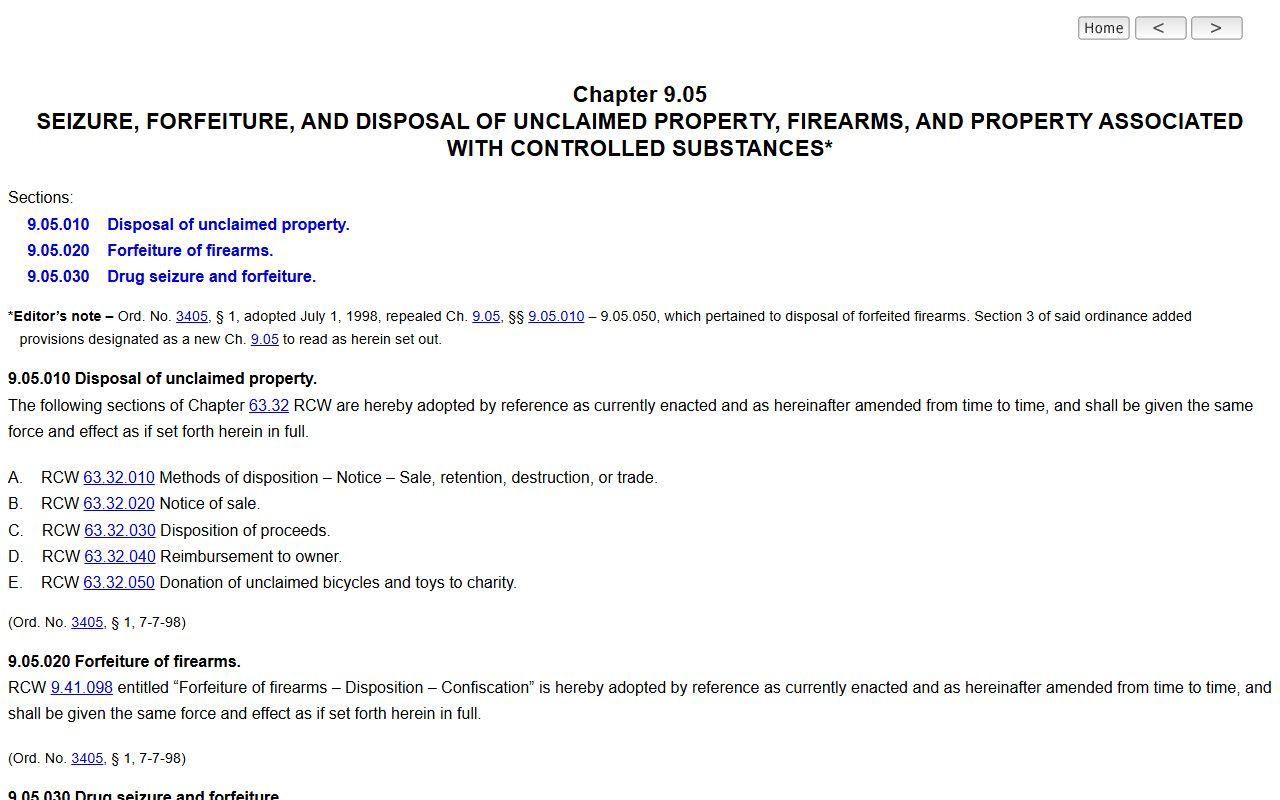
That chapter is useful because it shows the city-side rules for seizure, forfeiture, and disposal, which are separate from the Washington state money claim portal.
For a state-side fallback, the Washington unclaimed property portal at ucp.dor.wa.gov shows the main place where owner claims are actually filed and tracked.
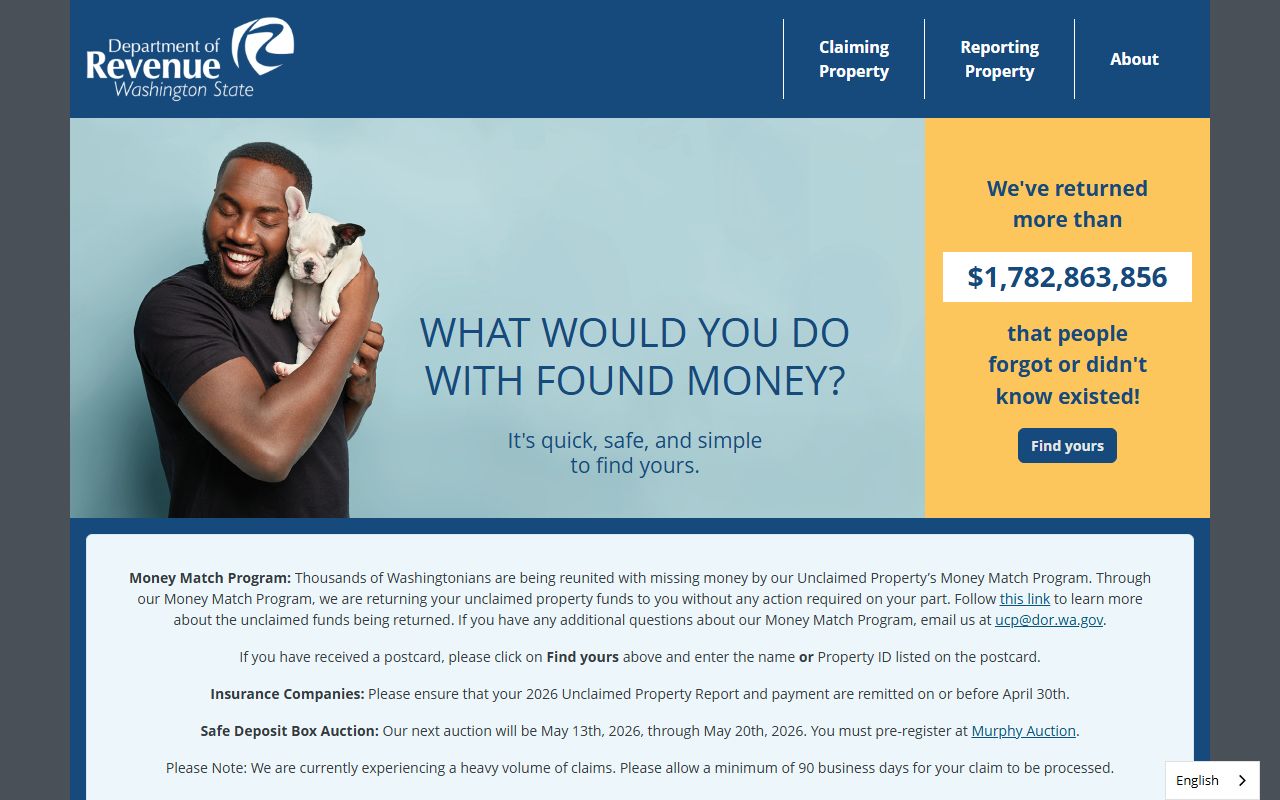
That portal is the right backup reference whenever you need the statewide claim path instead of a city code page or a local office phone call.
Kent Records And Code
Kent City Code Chapter 9.05 is the key local rule set for city property issues. The chapter covers seizure, forfeiture, and disposal of unclaimed property and adopts RCW 63.32.010 through 63.32.050 by reference for the city-side process. That matters because physical property handled by city police is not the same thing as money reported to the Department of Revenue under Washington's current unclaimed property law in RCW Chapter 63.30. If the item is a wallet, tool, badge, phone, or another physical object, the city code is the first place to look. If it is cash, a refund, or another intangible amount, the state portal is the better starting point.
The code also helps explain why some Kent searches need more than a simple name match. A city record can describe how the item was taken in, how long it remained with the city, and which office handled the next step. When the city hall office and the state portal point to the same person or business, the local code gives you the context needed to understand why the claim is in the system at all.
| Finance Department | 220 4th Avenue South, Kent, WA 98032 |
|---|---|
| Phone | (253) 856-5700 |
| City Code | Chapter 9.05 |
| State Law | RCW Chapter 63.30 |
Kent Unclaimed Money Claims
Once a Kent result appears in the Washington database, the claim process stays with the Department of Revenue. The claim search page lets you select the property, submit the file, and then watch claim status while the agency reviews your documents. Washington's claim FAQ explains that there is no time limit for filing a claim, so an older Kent result is still worth checking even if the underlying account has been dormant for years. That is especially helpful for old payroll checks, utility refunds, insurance proceeds, or city payments that were never cashed.
Claims work best when the paperwork matches the record. If the owner name changed because of marriage, divorce, or a court order, the state FAQ accepts documents showing the change. If you are filing for a deceased owner, an heir or personal representative can usually claim with the right probate or estate documents. The state also says claims are processed in the order received, and the review can take up to 90 days when the workload is heavy. That is normal for Washington and does not mean the claim is lost.
If the Kent result came from a city payment, keep any city record you found before you file. A finance record that shows the check number, amount, or issuing department can make the state review much smoother because it gives staff a local anchor for the claim file.
Kent Police Property Procedures
Kent's police-side property handling belongs under the city code and RCW 63.32, not the general unclaimed property portal. That distinction matters because physical property that was seized, forfeited, or otherwise held by the city needs a different explanation than a bank account or refund. Chapter 9.05 is the local path for that work, and it is the section that tells you why a city-held item may have moved from evidence or custody into a disposal process. The city code does not replace the state claim system, but it does tell you which record series matters when the item is not cash.
For a claimant, the practical step is to match the item to the right category before you call. If the record is a payment, use the state portal and the Finance Department. If it is physical property, use the city code as the local reference and keep the date, description, and any city file number together. That is the cleanest way to avoid mixing up a property return with a money claim.
Kent Unclaimed Money Follow-Up
If the first search does not produce a clear answer, the next step is usually to widen the search rather than abandon it. Try the state portal with a different spelling, an old business name, or the city name only, then ask whether the Finance Department has a record for the same person or address. Washington's claim FAQ also covers common issues such as proving a prior address, showing a name change, or filing for an heir, which makes it a useful follow-up when the first result is close but not quite enough.
The most productive Kent follow-up requests are specific. A city office can usually work faster when you give them a name, a date range, a check number, or a property reference instead of a broad request for everything tied to a person. That is true whether you are trying to connect a city payment to a state claim or trying to understand why an item showed up in the city code instead of the state database.
For broader Washington guidance, the Department of Revenue pages on unclaimed property, claim search, claim FAQ, and claim status explain how the state holds property, how claims are filed, and how the review process moves from search to payment.