
Lakewood City Unclaimed Money Records
Lakewood unclaimed money searches often begin with the Washington state portal, but the city has enough local finance and police detail to make the next step more specific. A municipal refund, old utility credit, or vendor payment may still be traceable through City Hall, and a physical item can move through a separate police property process before anyone sees a state claim. Lakewood is also unusually contact-rich for a city this size, so the right path often depends on whether you are tracing finance records, public records, or property held by police. That distinction saves time and keeps the search focused on the office that actually handled the item.
Lakewood Unclaimed Money Basics
The official state search is at ucp.dor.wa.gov, and that is where Lakewood owners, heirs, and businesses should look first for reported property. The state program sits under Washington's current unclaimed property law in RCW Chapter 63.30. That chapter is the statewide framework for money or intangible property that has remained unclaimed long enough to be turned over by a holder. Once the property is with the Department of Revenue, the city is usually no longer the right place to file the actual claim.
Lakewood's finance office is still important because it can explain the local trail. The Finance Division is at 6000 Main Street SW, Lakewood, WA 98499, and the department lists Tho Kraus as the CFO/Deputy City Manager with phone (253) 983-7706. That office handles city finances, accounts payable, and related records, which makes it the right first call when the missing money appears to come from a city payment, a refund, or a utility account rather than a private holder.
| State portal | ucp.dor.wa.gov |
|---|---|
| Finance Division | 6000 Main Street SW, Lakewood, WA 98499 |
| Finance phone | (253) 983-7706 |
| Public records portal | City records request page |
Lakewood Unclaimed Money Images
The official Lakewood city website at cityoflakewood.us is the best place to confirm the city department layout, finance contact pages, and public records paths before you file or follow up on a claim.
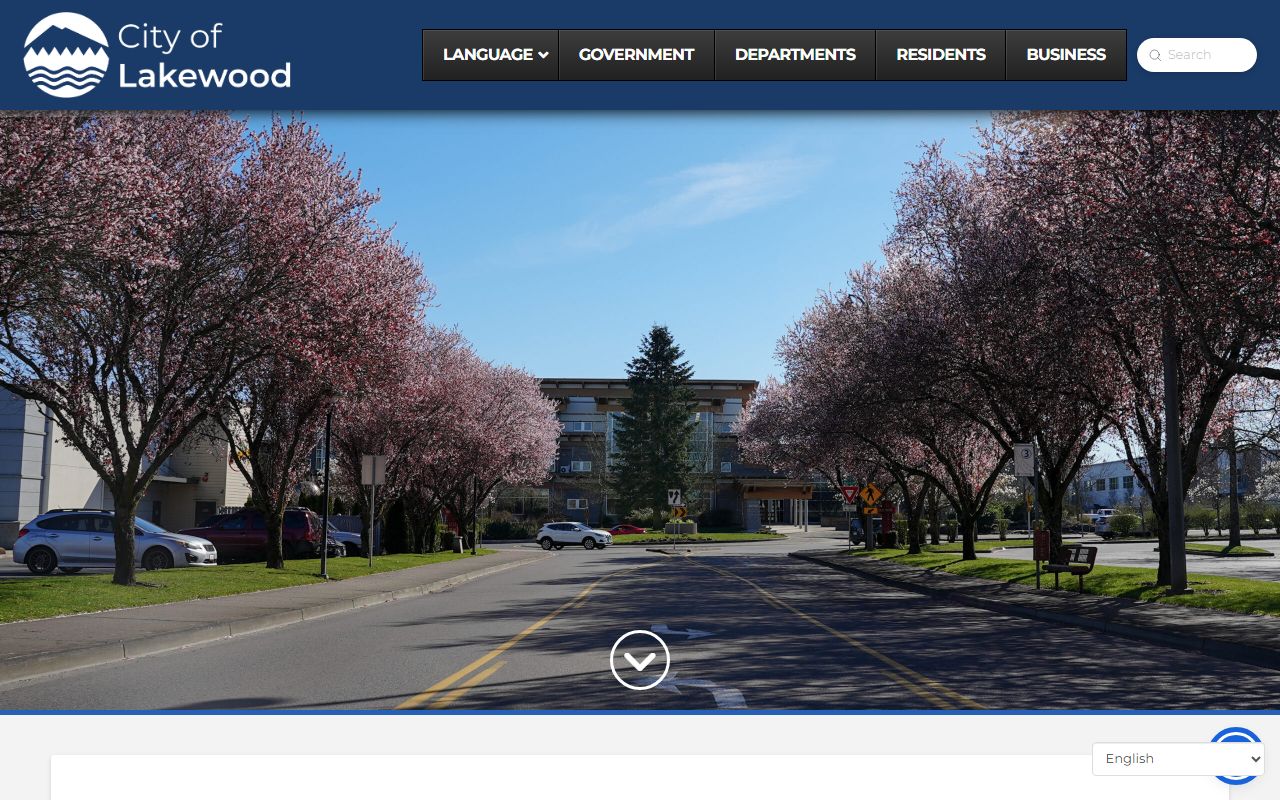
That homepage is the cleanest entry point when you need to move from a state search result back to the city source that created it.
Finance and Contact Details
The Lakewood Finance Division is the local office most likely to know whether a payment is still in city custody or has already been reported. If your trail starts with a utility account, a city vendor payment, or a refund from a department, the finance staff can usually tell you whether the record is still active, voided, reissued, or sent to the state. That is the kind of detail that matters when a claimant only has a name and an approximate year.
Lakewood's public-facing finance materials also make it clear that Tho Kraus oversees finance, human resources, and information technology. That is useful context because the city treats finance as a central administrative function, not just a billing office. If you need a live contact, the city hall address at 6000 Main Street SW and the finance phone number are the direct starting points, while the public disclosure page is the better route for records that need formal request handling.
When the local clue is thin, the safest approach is to ask for the smallest useful record set possible: one payee name, one check number, one date range, or one department. Lakewood staff can usually work with that narrower scope more quickly than with a broad request for every possible unclaimed record tied to the city.
Police Property and 60-Day Procedures
Lakewood police property is governed by a separate process from ordinary money claims. The city police manual includes a chapter on fiscal management and agency-owned property at Lakewood Police Manual of Standards, and the city police pages explain that not all property is released and that ownership proof may be required. That makes the police side more like a custody process than a routine finance lookup.
The city's research materials also describe notice and a 60-day unclaimed property procedure under RCW 63.32. For Lakewood, that means an evidence item, found property, or other police-held item may be sold, retained, donated, or otherwise handled under a department-specific process if it is not reclaimed in time. The city does not treat that workflow the same way as a state unclaimed money claim, so the record type matters as much as the name on the tag.
If you are trying to reclaim a physical item, expect to show ownership and answer questions about the circumstances of the loss. A receipt, incident number, or police record usually helps more than a generic claim form because the police file is what proves the item belongs to you.
Lakewood Unclaimed Money Search Steps
The best Lakewood unclaimed money search order is simple: search the state portal, confirm the city source if the clue looks municipal, and use the right records page if the item is physical property. The Washington search is good for old names and business records because it allows broad name searches and then refinement by city or zip code. If the state has already posted a Property ID or claim notice, use that to avoid oversearching.
Lakewood residents and former residents often need to blend city and state records. A city payment can point to the finance office, while a police item requires the police process first. When those records overlap, the claim moves faster if you separate cash from custody. The finance trail explains the money; the police trail explains the item. Keeping those paths separate is the fastest way to avoid a dead end.
Public Records and Follow-Up
Lakewood's public disclosure page at cityoflakewood.us/legal/public-disclosure-requests is the most useful official source when you need a document trail before claiming money or property. The page says public records requests can be made online or in person, and it specifically notes that Lakewood Police incident reports should go through South Sound 911. That separation matters because a finance record and a police record are not handled the same way.
If the missing money looks like a city check or an old account credit, the finance division should be your first call. If the issue is a claim or property record, the public records portal can help you ask for the specific document that bridges the gap between the city and the state file. When the city record exists, it often removes the guesswork from the Washington claim process.
Lakewood Unclaimed Money Claims
Once Lakewood unclaimed money shows up in the state database, the actual claim goes through Washington, not the city. That state process is where you match the record with proof of identity, proof of address, and any supporting documents that establish ownership. If the account belonged to a business, trust, or estate, the claim usually needs the entity papers that show who has authority to collect the funds.
Lakewood's city office can still be useful after the search because it may tell you whether the record was originally issued by a department that used a different account name or check format. That sort of cross-check is especially helpful when an old city payment has a different payee name from the one you use today. If the local source is clear, the claim is easier to document and the Department of Revenue has less to resolve.
If the first search result is not exact, do not assume the record is wrong. Many claims are hidden by old addresses, married names, or closed business names. Matching the city source to the state record is often the step that turns a partial match into a payable claim.
Lakewood Unclaimed Money Resources
For official state guidance, use the Department of Revenue overview at dor.wa.gov/about/unclaimed-property-ucp along with the claim search, claim status, and FAQ pages. Those pages explain what Washington holds, how to search for it, and what documents are commonly requested during review. That is the part of the process where the state tells you what it needs, even if the city can help explain the history.
Lakewood is a good example of why unclaimed money searches should be office-specific. Finance handles city money, police handles property custody, and the public records office handles the paper trail. If you keep those roles separate, the search is usually much faster and the claim paperwork is easier to assemble.