
Redmond Unclaimed Money Records
Redmond unclaimed money searches often start in finance because the city manages the money trail directly. That includes property tax administration, business licensing, utility billing, and accounts payable and receivable, all of which can produce checks, credits, or balances that later need to be tracked in the state system. The city also handles stale-dated checks and a formal affidavit process for unclaimed monies. If the record is a city payment, the finance office matters most; if it is a police-held item, the property workflow is different. Start with the source, not the amount.
Redmond Unclaimed Money Basics
The Washington Department of Revenue portal at ucp.dor.wa.gov is the main place to search for Redmond unclaimed money, and Washington’s current unclaimed property law is in Chapter 63.30 RCW. That portal holds reported property until the owner files a claim. Redmond’s local role is to explain the city source behind the record. A city warrant, a utility credit, or an accounts payable item can all begin in finance before it reaches the state system, which is why the finance department is the first local office to check.
The Finance Department is located at City Hall, 15670 NE 85th Street, Redmond, WA 98052, and the phone number is (425) 556-2980. Office hours are Monday through Friday, 8:00 AM to 5:00 PM. The city’s finance page at redmond.gov/our-city/departments/finance lays out the department responsibilities, while the budget page and municipal code page provide the broader context for city financial activity. That combination matters when you need to see where a payment came from before you file a claim.
| State portal | ucp.dor.wa.gov |
|---|---|
| Finance department | City Hall, 15670 NE 85th Street, Redmond, WA 98052 |
| Phone | (425) 556-2980 |
| Hours | Monday-Friday, 8:00 AM - 5:00 PM |
Redmond Unclaimed Money Images
The Redmond city website at redmond.gov is the best broad local reference when you need the city side of the record.
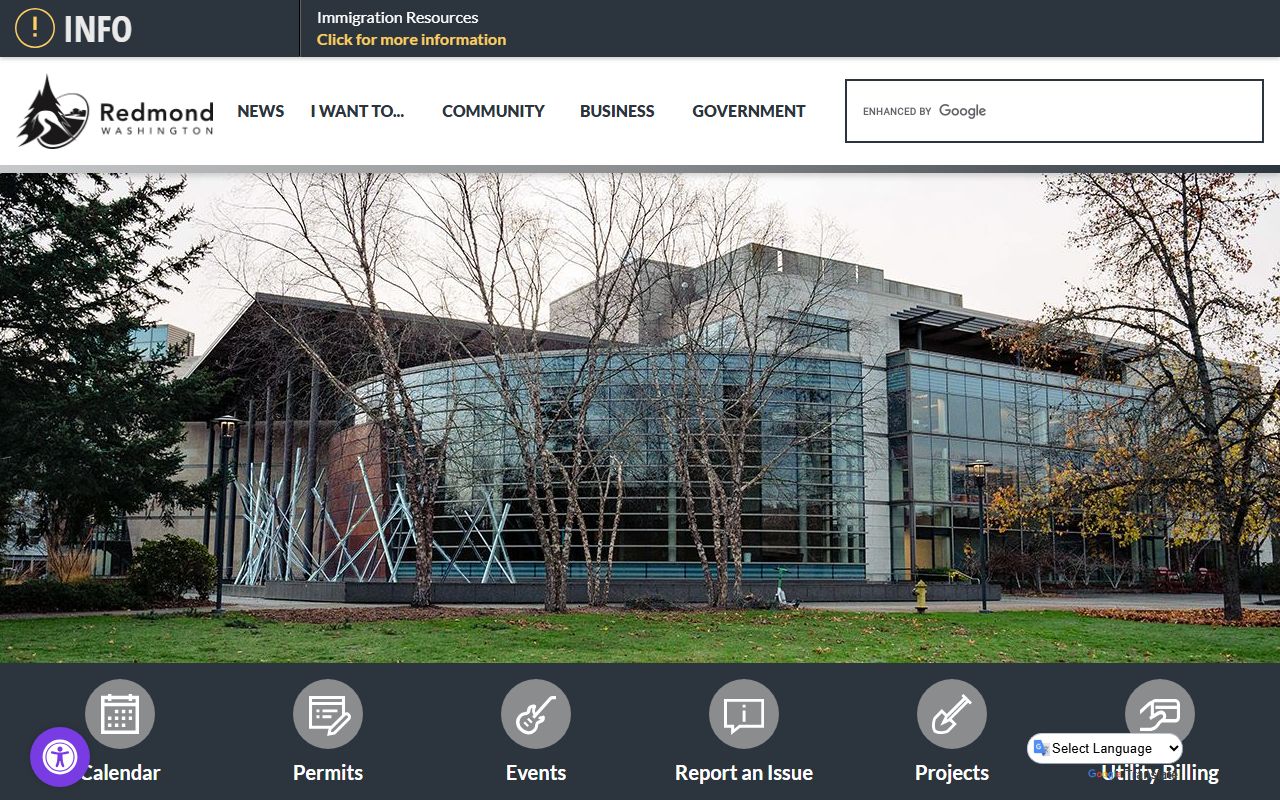
That page gives you the city entry point before you decide whether the issue belongs with finance, the budget office, or police property.
The Washington state portal is the matching statewide image for reported money.
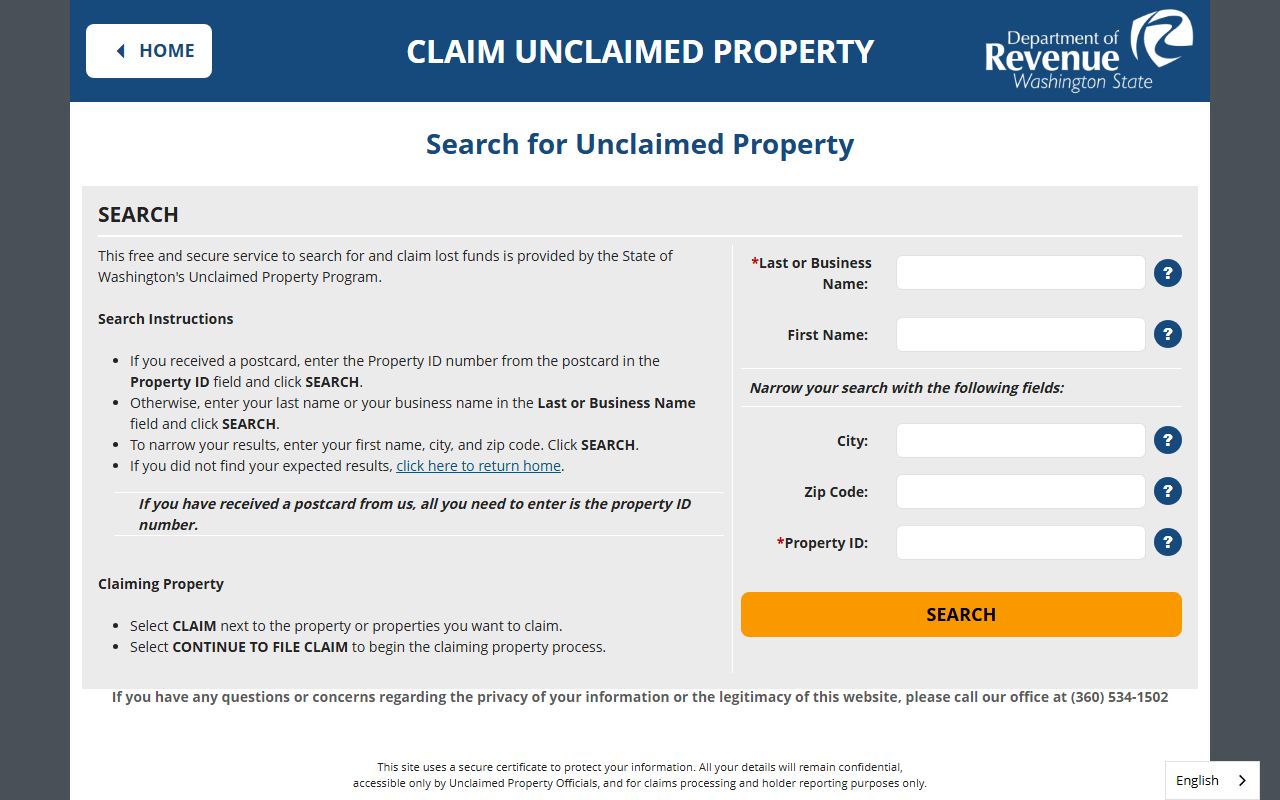
That state view is useful because it shows how a reported Redmond record gets turned into a claim.
Redmond Unclaimed Money Finance Records
Redmond finance records are unusually detailed. The department is responsible for property tax administration, business licensing, utility billing, and accounts payable and receivable, so it touches the records that most often turn into stale checks or dormant balances. The city budget page at redmond.gov/our-city/budget helps you see the larger financial picture, while the municipal code page at redmond.gov/government/municipal-code gives the local rule structure behind city finance activity.
Outstanding city warrants are handled through Finance, and stale-dated checks are tied to Resolution 1303 as amended. That means Redmond does not treat a stale check as a mystery; it treats it as a finance workflow with a paper trail. The city also uses an Affidavit of Unclaimed Monies through Finance, and the research notes that claims over $100 require notarization, along with proof of address and a government-issued ID. That makes the finance office a practical starting point when the record is a city-issued payment rather than a generic state-held item.
| Finance duties | Property tax administration, business licensing, utility billing, AP/AR |
|---|---|
| Budget | redmond.gov/our-city/budget |
| Municipal code | redmond.gov/government/municipal-code |
| Unclaimed monies affidavit | Notarization required over $100, plus proof of address and government-issued ID |
For a claimant, that means the city’s own finance process can sometimes resolve the question before the state claim is even filed. If the payment was stale-dated, the finance office is the office that can explain why it stopped moving and what the next step should be.
Redmond Unclaimed Money Search Steps
Use the Washington claim search at ucp.dor.wa.gov/app/claim-search to see whether the Redmond record has already been reported. Search by last name, business name, or Property ID and then narrow by city or zip code. That is the fastest way to separate a Redmond city payment from a similar name that belongs to another holder. If the record looks like a city warrant or utility credit, the finance office is usually the better place to verify the source before filing.
The state FAQ at ucp.dor.wa.gov/app/faq-claim and the claim status page at ucp.dor.wa.gov/app/claim-status-search are the most useful follow-up pages after you identify a match. They explain proof, review timing, and claim progress. The city budget and finance pages are the local records that make the state entry understandable, especially when the payment was created in a municipal accounting system long before it was reported to Washington.
Redmond searches are easiest when you treat the state and city records as two parts of the same trail. The city tells you what the payment was. The state tells you where it ended up. That is the combination that turns a vague memory into a claim-ready file.
Redmond Unclaimed Money Police Property
Redmond police property follows a separate workflow from money claims. The research says police-custody property follows RCW 63.32.010, and Redmond Municipal Code 9.24.045 addresses forfeited firearms. That is the right framework when the item is a physical object rather than a check, credit, or account balance. The city can auction, retain, or destroy property as allowed by law, but those steps are part of the evidence and disposal process, not the ordinary finance process.
This distinction matters because a claimant might say "unclaimed money" when the real issue is a recovered item in police custody. In Redmond, the finance office handles the money side, and police handle the property side. The state portal is still the right place for reported intangible property, but it is not a substitute for the police evidence workflow when the item is physical. If the item is tied to a firearm, the municipal code and RCW 63.32.010 are the rules that control the release or disposition.
Once you know which side of the line the record falls on, the rest is straightforward. Finance gives you the city payment trail. Police give you the property trail. The state database gives you the reported property trail. Redmond works best when you keep those lanes separate instead of trying to force all three into one process.
Redmond City Unclaimed Money Claims
After a Redmond record appears in the Washington system, the claim stays with the Department of Revenue. The state wants enough proof to connect the claimant to the owner name, and Redmond’s finance paperwork can help when the original payment came from city hall. An affidavit of unclaimed monies, a warrant record, or a budget reference can make the claim file much stronger because it explains the source before the state asks for the final proof package. That is especially useful when the record is old or the address on file is no longer current.
Redmond’s finance office also matters because it can explain whether the issue was a stale-dated check, an outstanding warrant, or another municipal payment that was later reported. Resolution 1303 gives the city a way to handle stale checks, which means the finance trail can often answer questions that the state portal cannot. If the claimant already knows the city department and the old address, the city file may be enough to get the state claim ready on the first try.
Washington does not impose a filing deadline for owner claims, so older Redmond records are still worth checking. That helps former residents, businesses with changed addresses, and anyone who is trying to reconnect a city-issued payment with a current identity. The money may still be there, and the city file may still be the key to proving it.
Public Records And Follow-Up
If you need supporting documents for a Redmond unclaimed money search, the finance department is the first local office to use. Keep the request specific. A warrant number, a payee name, a date range, or a stated amount is easier to search than a broad request that mixes multiple possibilities. The municipal code and budget pages can help you understand the local context, but the finance office is where the payment trail lives.
The Department of Revenue overview at dor.wa.gov/about/unclaimed-property-ucp is the best statewide companion page for the claim side. It explains the program, while the city finance page explains the source. Together they show how a city payment becomes reported property and how a claimant gets it back. That is the cleanest path through a Redmond file when the city and state records both matter.
Redmond searches work best when the finance office, budget page, and state portal are used together. The city explains the transaction, the state explains the claim, and the claimant provides the proof. That sequence is simple, but it is the one most likely to resolve the record without unnecessary back-and-forth.