
Clark County Unclaimed Money Warrants
Clark County unclaimed money usually begins with a local payment trail, a tax record, or a warrant that stayed open long enough to be reported and tracked. In Vancouver, the treasurer is the office that helps you identify the county source, while the Washington state portal is where the reported property search happens. The county is large enough that the same name can show up in more than one record type, so it helps to know whether you are looking for a tax statement, a warrant register entry, or a state-held asset before you start the claim. That small distinction can save a lot of time.
Clark County Unclaimed Money Search
Washington’s current unclaimed property law is in RCW Chapter 63.30, and the state claim search at ucp.dor.wa.gov/app/claim-search is the main public lookup for reported property. That is the right place to check for bank funds, uncashed payments, and other owner records that have already moved into the Department of Revenue system. If you have a postcard Property ID, the search can go straight to the matching record. If not, a last name, business name, city, or zip code can still produce a useful result.
Clark County adds local context through the Treasurer page at clark.wa.gov/treasurer and the Property Information Center at clark.wa.gov/assessor/property-information-center. The county treasurer is Alishia Topper, and the office is in the Joint Lobby, 2nd Floor, Public Service Center, 1300 Franklin Street, Vancouver, WA 98660. The main phone number is (564) 397-2252, and the contact email is datamgmt@clark.wa.gov. Those pages matter when the search needs county tax statements, account numbers, or support for a property-related record.
The Joint Lobby was closed from March 9 through June for renovations, but the office remained available by phone and email. That detail matters because a county search can continue even when the public counter is not open in the usual way. If you reach a result that looks promising but not complete, using the treasurer page and the property information page together is usually faster than guessing from the state listing alone.
Clark County Treasurer Records
Clark County records are especially useful when the state claim has a tax or warrant origin. The county tracks property tax statements, account numbers, warrant registers, outstanding warrants by fund, investment reports, and REET transaction records. That set of records gives you a lot more than a yes-or-no answer. It can show where the amount came from, which fund it belonged to, and whether it was ever paid, reissued, or escheated. In a county this large, those distinctions matter because the same owner name can appear in several departments at once.
The county treasurer page is the fastest place to confirm whether the record is still local or whether it has already been reported to the state. If the item started as a county warrant, the local records may still show the issue date and fund source even after the public-facing state record exists. That can help when you need to explain why the claim belongs to you or why the county office is the right source for supporting paperwork.
Clark County Clerk Scott G Weber is another useful contact when the search turns into a court-record or filing question. The clerk can be reached at countyclerk@clark.wa.gov and through clark.wa.gov/courts/clerk. That office is not the main money-claim office, but it can matter when a record involves a court filing, a probate matter, or another document that connects the claimant to the original owner.
Clark County Unclaimed Money Claims
Once a Clark County record is reported, the claim moves through the state system. The Department of Revenue’s claim status page at ucp.dor.wa.gov/app/claim-status-search is useful when you already filed but need to know whether the claim is still pending, waiting on documents, or approved. That is especially helpful in a county where there may be several similar records for the same last name, because status tracking tells you whether you are working on the right file.
Clark County’s annual reporting of unclaimed amounts and its practice of tracking warrants until they are paid or escheated give you a practical clue about what a local record means. If the county page shows a warrant register entry, a tax statement, or another financial record, it may be the source document you need for the state claim packet. The county office is the place to confirm the record, while the state portal is the place to ask for the money back.
If your record is tied to sheriff-held property instead of money, the rules are different. The research notes that sheriff policies conform to RCW 63.32 and RCW 63.40, and that evidence is not released except upon written directive. That is a law-enforcement property issue, not a typical unclaimed money claim, so it belongs with the sheriff rather than the treasurer. Keeping that divide clear prevents the wrong office from being asked to solve the wrong problem.
Clark County Unclaimed Money Images
See the Clark County Treasurer page for the office that manages warrants, tax records, and county financial history.
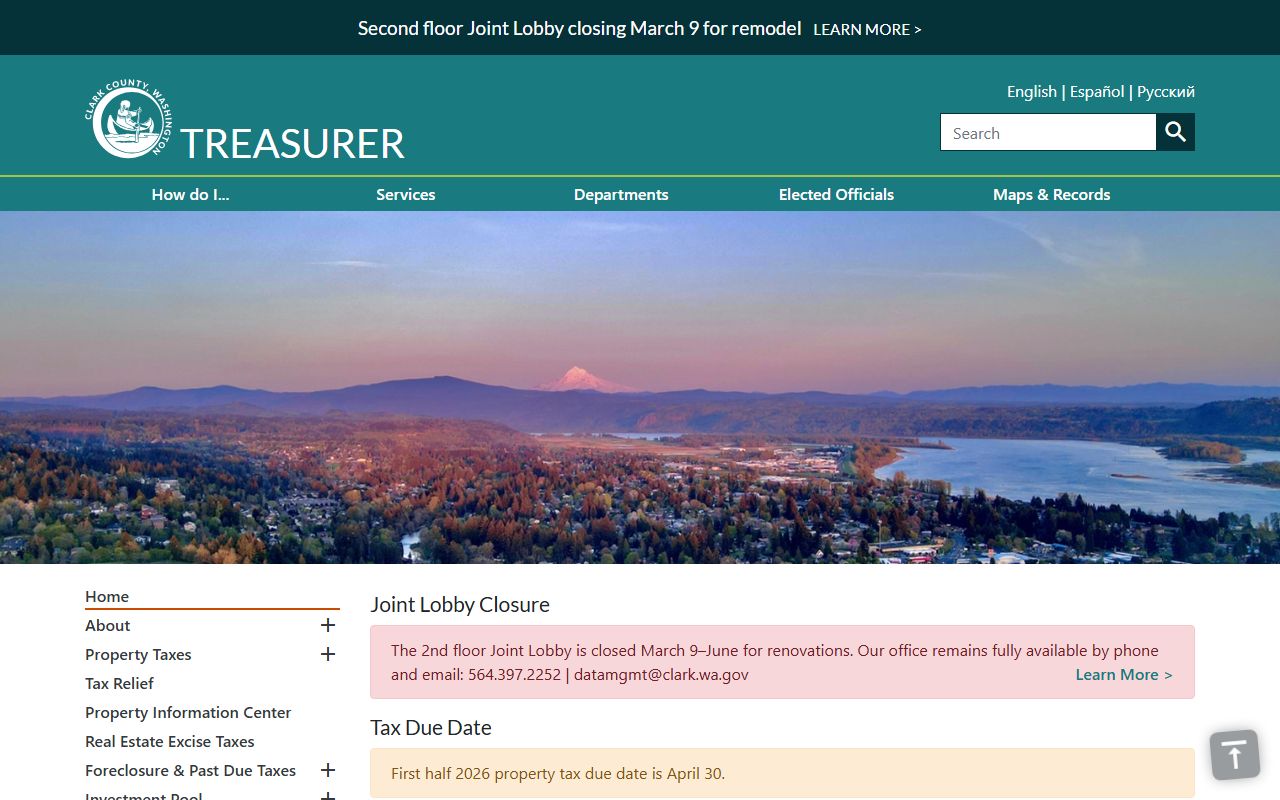
That page is the most direct local reference when the search begins with a county payment rather than a private account.
The county official website at Clark County official website is the broader entry point for public services and department pages.
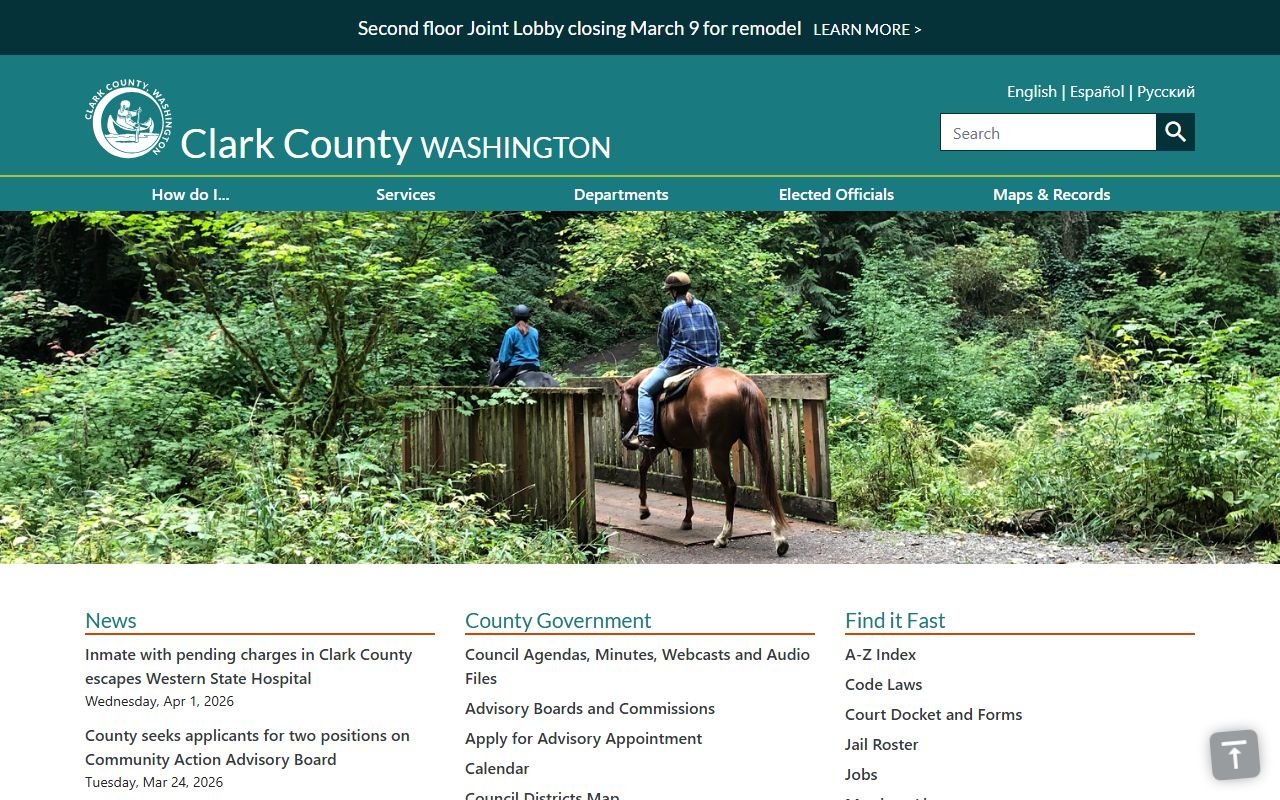
Use it when you need to move from a search result to the department that actually owns the record.
Clark County Unclaimed Money Law
Clark County’s procedures sit inside the state framework, so the current Washington law still matters even when the local office created the record. RCW Chapter 63.30 governs the state unclaimed property program, while the sheriff-side property process is referenced through RCW 63.32 and RCW 63.40 when physical property or evidence is involved. If the record is a county warrant or tax entry, the treasurer and the state portal are usually the right combination. If it is a law-enforcement item, the sheriff-side rules take over.
The county’s property information center can help tie tax statements and account numbers back to the correct parcel or financial record. That matters when a result on the state site needs a local paper trail before the claim can move forward. The county also keeps REET transaction records and investment reports, which can be useful if the missing money came from a transfer, closing, or other financial event rather than a simple uncashed check.
For a clean Clark County claim, the best workflow is to search the state, verify the county source, and then collect the documents that connect the claimant to the older record. When the Joint Lobby is closed for renovations, phone and email still work, so the search does not stop at the counter. That makes the treasurer page and the state claim portal the two places that matter most for this county.